WARNING: This product contains nicotine. Nicotine is an addictive chemical.
WARNING: This product contains nicotine. Nicotine is an addictive chemical.
NEWSLETTER
Get special offers and find out what's new in the store. Sign up for the EV newsletter.Getting into cigars is incredibly overwhelming at first, but thankfully, it gets much easier as you learn more about cigars, yourself, and your palate. Between the various shapes, sizes, wrappers, flavors (seriously, barnyard hay?), and ritualistic techniques, it is easy to feel like you are missing something.
The good news? You don't need to know everything. You just need to understand the fundamentals, and everything else will eventually fall into place.
This guide is to walk you through those fundamentals step-by-step so you can confidently:
If you're just getting started, this is where you begin.
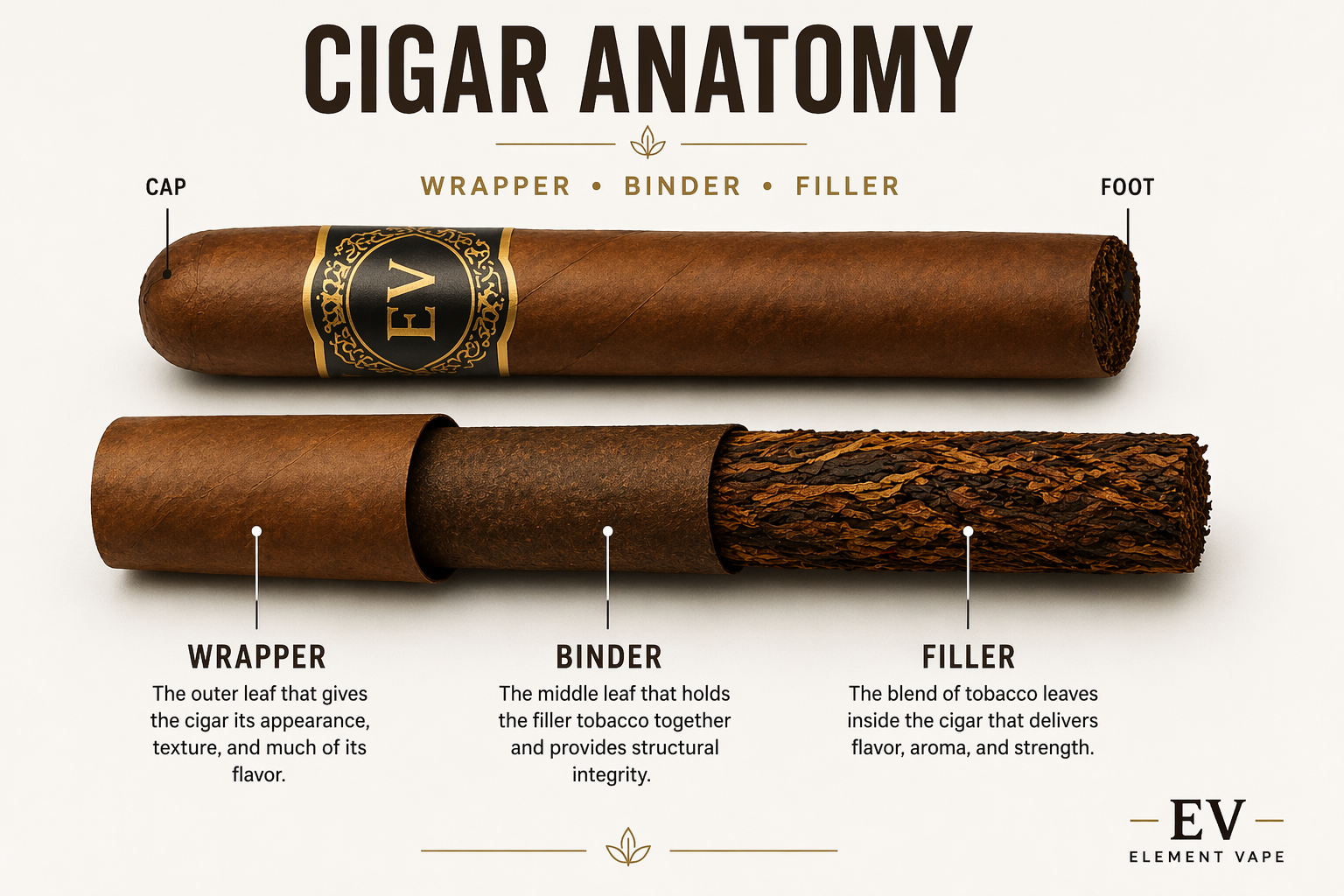
A cigar is a rolled bundle of tobacco that is meant for flavor, letting the smoke wash over your palate, instead of being inhaled into your lungs. Most of the time, when people refer to cigars, they are talking about premium, hand-rolled cigars, usually using long-leaf tobacco. Machine-made cigars are still cigars, but they're generally considered a different category and not typically viewed as premium.
A premium cigar is made of three main components:
Usually handcrafted by skilled artisans called torcedores, these elements work together to shape the cigar's flavor, strength, and burn quality.
If you want a deeper breakdown of how construction impacts your experience, check out:
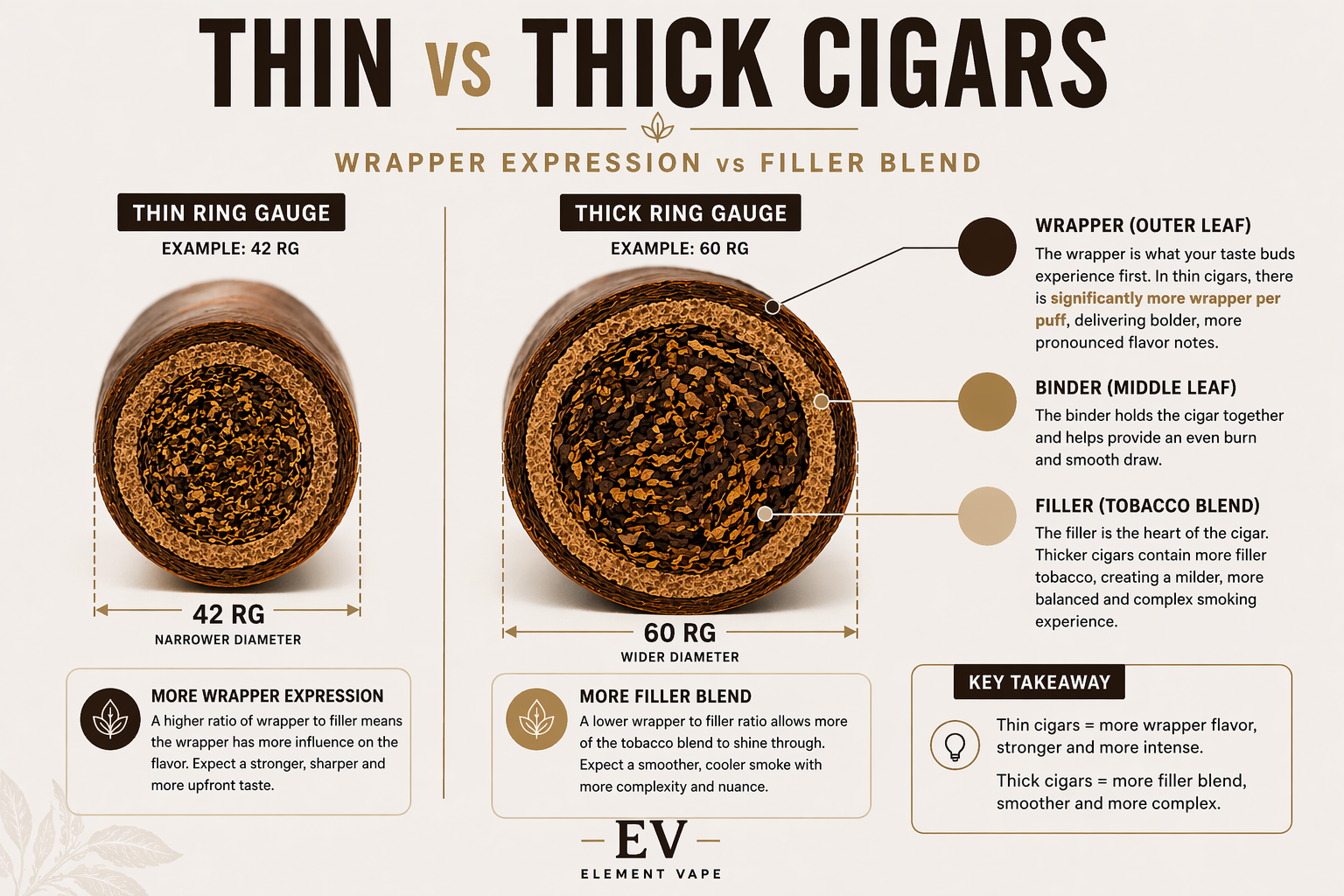
Understanding a cigar's size and shape is one of the biggest factors in your cigar smoking experience. These factors directly affect how a cigar burns, tastes, and feels from start to finish.
A common mistake beginners make is ignoring size and shape and reaching for the largest or most eye-catching cigar they can find. Bigger isn't always better, and in many cases, it can make the experience more challenging.
Key things to know:
To dive deeper into cigar sizes and shapes:
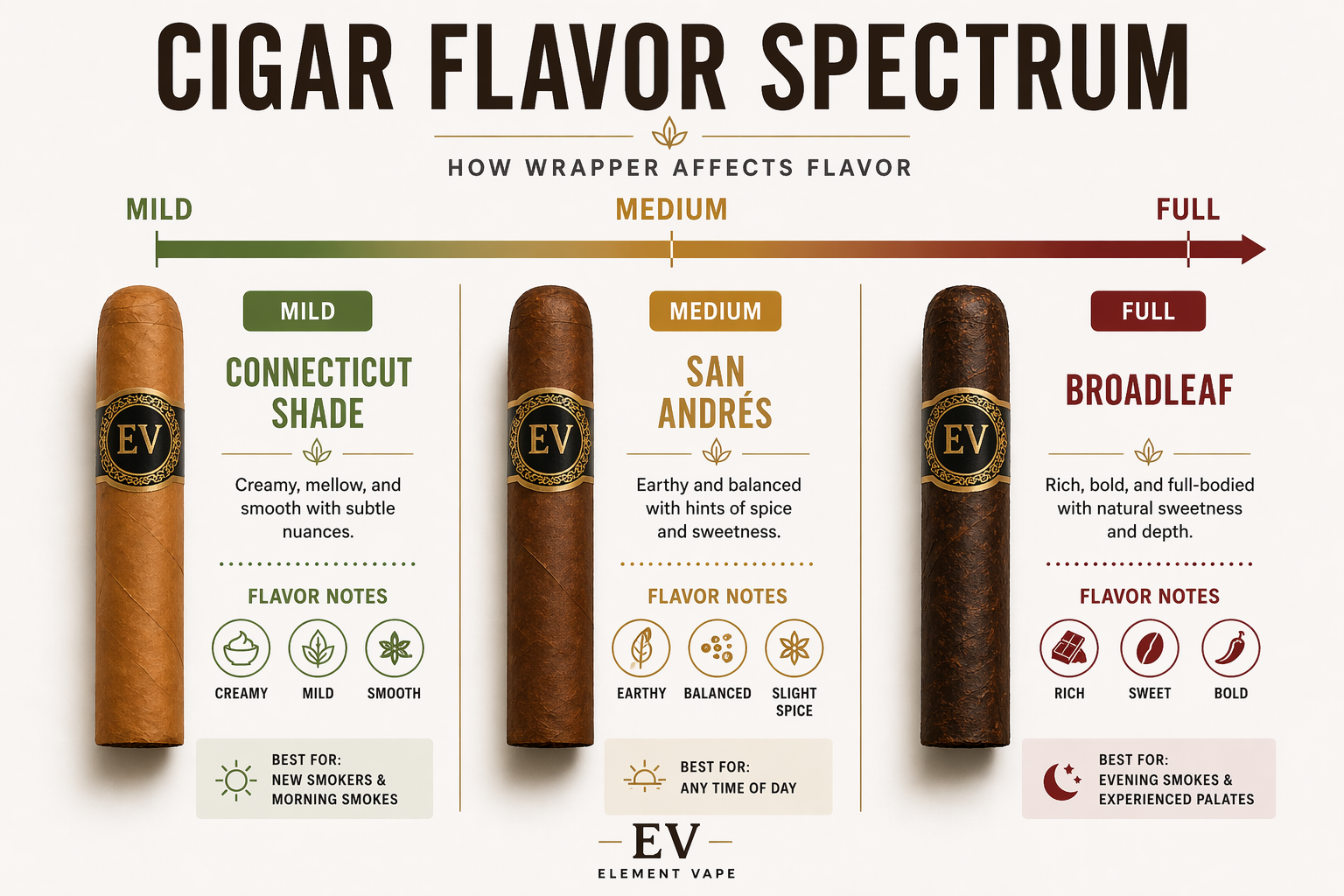
Cigar flavor isn’t random. It is the result of a long, controlled process that begins with the tobacco itself.
Everything begins with the seed variety and the specific leaves selected for the blend. From there, terroir, which includes factors like soil, climate, and geography, plays a major role. Regions like Nicaragua, for example, are known for rich volcanic soil and ideal growing conditions that produce bold, complex tobacco.
After harvest, the leaves undergo fermentation, where heat and moisture break down natural compounds. This process removes harshness and brings out deeper, more refined flavors. The tobacco is then aged, sometimes for years, allowing those flavors to mellow and fully develop.
While all of these steps shape the final profile, one component has the biggest impact on what you actually taste.
That component is the wrapper leaf.
The wrapper is the outermost leaf of the cigar, and it contributes a significant portion of the flavor. It is often the first thing you notice when smoking. Different wrapper types can completely change the experience, even when the filler inside is similar. A cigar may use many different tobaccos in the filler, but the wrapper is what most defines the flavor.
Different wrappers create very different experiences. Here are a few of the most common:
While there are many more wrapper varieties, these serve as reliable general guidelines, though there are always exceptions.
To explore the types of wrappers in detail and discover the best cigars for beginners, check out:
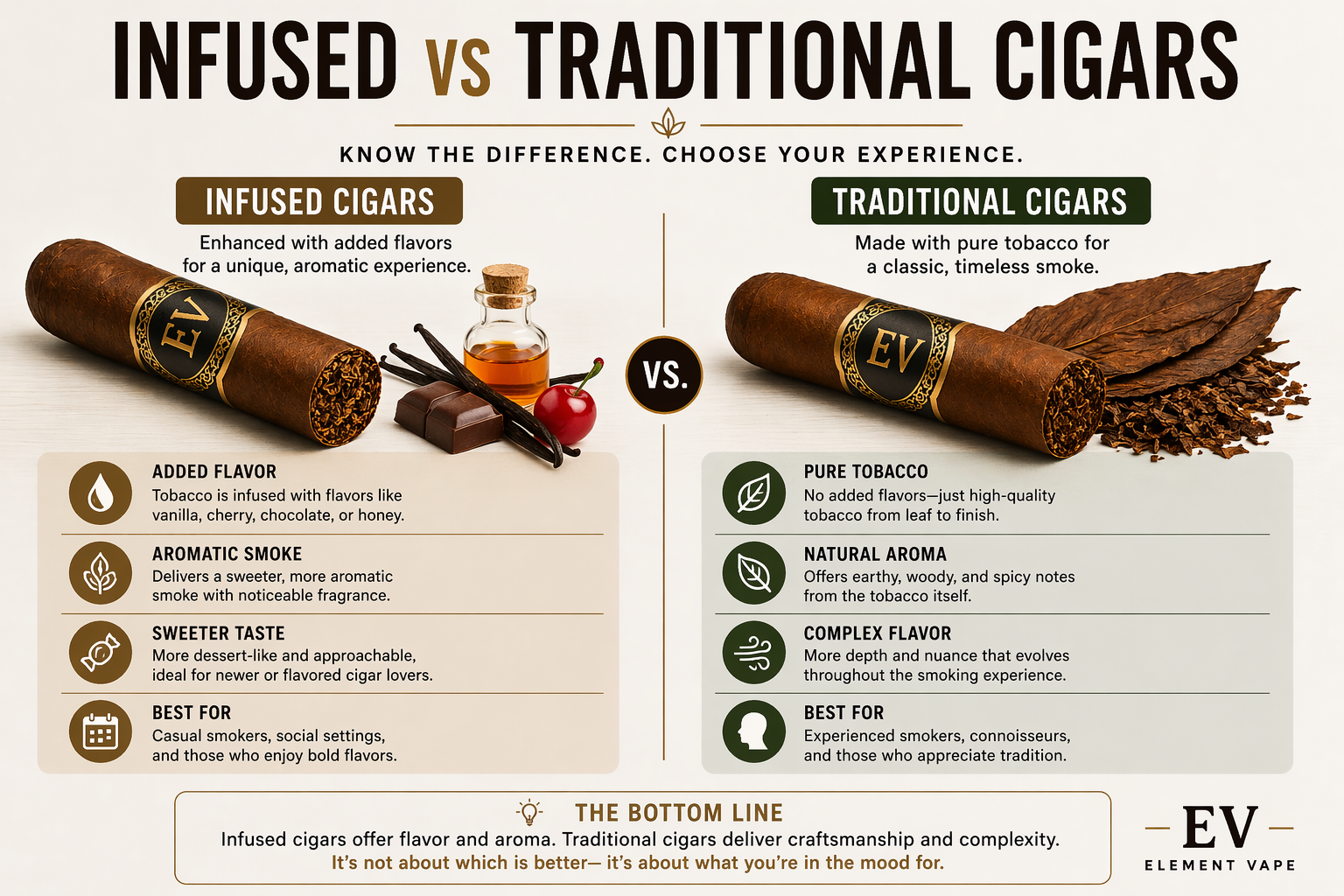
While we’re on the topic of flavor, its worth mentioning infused cigars.
Divisive as they are delicious, infused cigars introduce added flavors like coffee, bourbon, vanilla, and even chocolate, creating a completely different experience from traditional blends.
One of the most prominent names in this space is Drew Estate’s ACID lineup. In fact, it was my first truly enjoyable cigar when I was just getting into the hobby. The ACID series is known for its sweetened caps and time spent in Drew Estate’s “Aroma Rooms,” where cigars are carefully exposed to curated botanicals and essences to develop their signature flavor profiles.
For those looking to explore infused cigars, the ACID line is often where that journey begins.
If your curiousity's been sparked, follow your nose:
Choosing your first cigar doesn't need to be complicated.
If you're looking for a good beginner cigar, this simple step-by-step approach will make the process much easier.
Step 1: Start with mild or medium strength
This keeps the experience smooth and approachable, without overwhelming your palate
Step 2: Choose a manageable size
Smaller cigars (like Robusto or Corona) are ideal for beginners, typically lasting 30–60 minutes.
Speaking from experience, my first cigar was a large toro, and I ended up locked into a 90-minute commitment that quickly went from interesting to… not so enjoyable. Starting smaller gives you an easier exit if it’s not your thing.
Step 3: Pick a wrapper that matches your flavor preference
Whether you prefer creamy, sweet, or earthy flavors, the wrapper plays a major role in what you’ll taste.
Step 4: Stay within a comfortable budget
You don't need to spend big to have a great first experience, there are plenty of excellent options at beginner-friendly prices.
For a full breakdown:
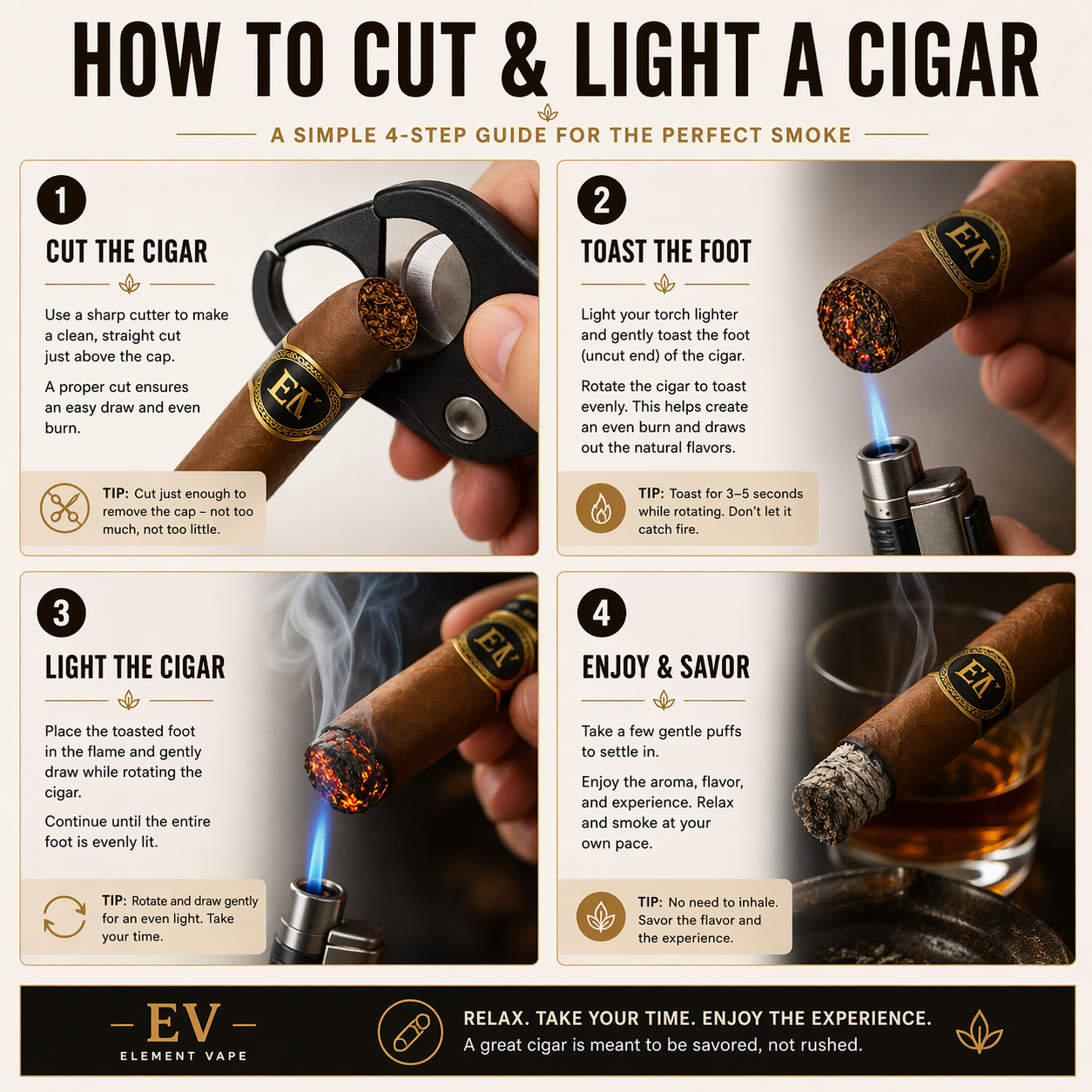
Even a great cigar can taste bad if it's cut or lit incorrectly. In some cases, cutting it the wrong way can actually ruin the cigar, causing it to unravel and become unsmokeable.
A bad cut or uneven light can also lead to harsh flavors, tight draws, or constant relighting, shifting an enjoyable experience into a frustrating one.
Cutting basics:
Lighting basics:
For a full step-by-step guide with tips for cutting and lighting a cigar, check out:
Cigars aren't meant to be rushed. The way you smoke a cigar should reflect the care that went into making it.
From skilled torcedores to carefully selected leaves and meticulous aging, every cigar is the result of time, craftsmanship, and patience. Taking a slow, deliberate approach allows you to fully appreciate and respect that process.
After you light your cigar, here's how to enjoy it:
Step 1: Take slow, steady draws
Take a draw about once every 30–60 seconds. Smoking too quickly can overheat the cigar, leading to harsh flavors and an uneven burn.
Step 2: Don’t inhale
Unlike cigarettes, cigar smoke is meant to be tasted, not inhaled. Let the smoke rest in your mouth briefly to pick up the flavors, then exhale.
Step 3: Let the ash build naturally
Avoid tapping the ash like a cigarette. Let it build to about an inch before gently knocking it off. A stable ash helps regulate temperature and keeps the burn even.
Step 4: Pay attention to the flavor
Cigars evolve as you smoke them. You may notice changes in strength, body, and flavor from start to finish. Take your time and enjoy those transitions.
Step 5: Know when to finish
There’s no strict rule for when to stop. You’re not obligated to smoke a cigar to the end just to get your money’s worth. If you’re no longer enjoying it, it’s time to put it down.
To learn more check out:
Yes, but only if it's done properly. Relighting a cigar can ruin its flavor if you are not careful.
While it’s not ideal, cigars do go out from time to time, especially when something pulls nyou awayokay mid-smoke. If left sitting too long, a cigar can develop harsh or bitter flavors when relit.
To preserve the experience, remove any stale ash and gently re-toast the foot of the cigar before lighting up again.
For a full breakdown:
Not every cigar needs to be a long session.
While cigars are meant to be enjoyed at a relaxed pace, not everyone has the time for a two-hour smoke. Trying to rush through a larger format cigar defeats the purpose and dulls the nuanced, complex flavors.
That's where shorter cigars come in. Cigars like Robusto and Petite Corona excel in shorter time frames, delivering rich flavor in a more manageable session. They're a great option for beginners exploring different profiles, blends, as well as anyone short on time.
To learn more about shorter format cigars, read here:

Storage is one of the most important, yet often overlooked, parts of enjoying cigars.
If cigars dry out or become too humid, both the flavor and burn can suffer. Poor storage can lead to harsh smoke, uneven burns, or even mold in extreme cases.
Here are the basics to keep your cigars in good condition:
Keep humidity consistent
Cigars are best stored at a stable humidity level. Too dry, and they lose flavor and burn too quickly. Too humid, and they can become difficult to draw and prone to issues like mold. Tools like humidity packs can preserve their quality over time.
Avoid extreme temperatures
Temperature swings can damage cigars and affect how they age. Aim for a cool, stable environment to preserve their quality over time.
Use proper storage
A humidor is the best way to maintain consistent conditions. For beginners, even a simple setup can go a long way in protecting your cigars and keeping them fresh. Travel humidors are great for beginner cigar smokers starting out.
Even small fluctuations in storage conditions can noticeably impact how a cigar smokes. For a full breakdown:
It depends on how you plan to store your cigars.
Cellophane can help protect cigars from physical damage and prevent flavors from mixing, especially if you're storing different blends together. On the other hand, removing it can allow for more even aging and better airflow in a controlled humidor.
For most beginners, keeping the cellophane on is a safe and practical choice. As you get more comfortable with storage and aging, you can experiment with removing it.
Personally, I tend to keep cellophane on. When I’m carrying a few cigars with me, it helps protect them from handling and travel. That said, in a well-regulated home humidor, I’ll remove the cellophane from my everyday cigars to allow them to age more evenly.
To read in-depth on cellophane and cigars, check out:
Yes—but not all cigars improve over time.
Aging allows the oils and flavors within the tobacco to mellow and integrate, often resulting in a smoother, more refined smoking experience. However, not every cigar is meant for long-term aging, and some can lose their character if stored for too long.
Proper storage conditions are also critical. Without the right humidity and temperature, aging can do more harm than good.
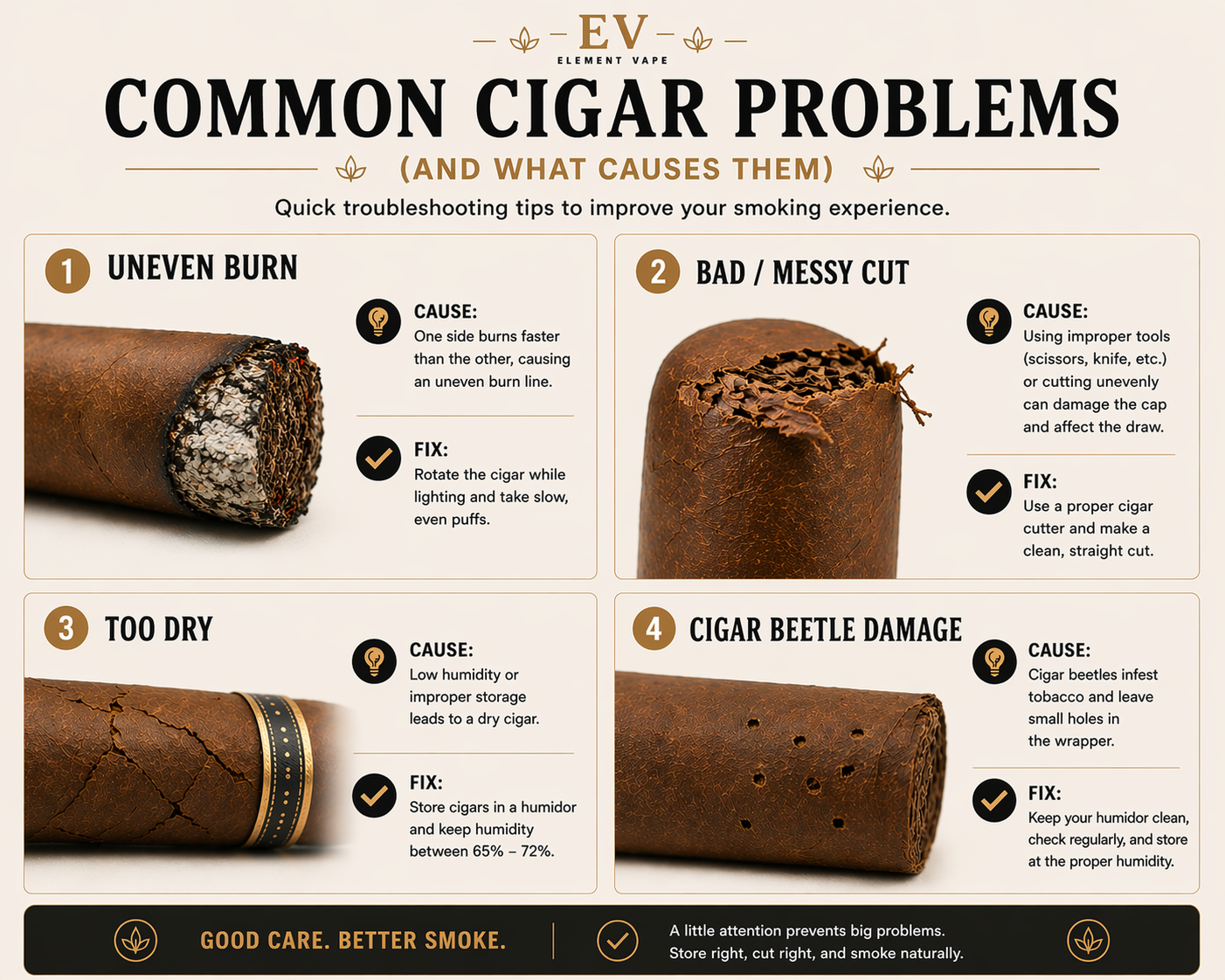
Most bad cigar experiences come down to a few simple mistakes:
If something tastes off, it's usually fixable with better technique or storage.
It’s also worth noting that many beginners won’t immediately notice subtle differences between cigars—and that’s completely normal. Your palate develops over time. The more cigars you try, the more you’ll start to pick up on flavors, strength, and complexity.
When I first started, all I could really taste was tobacco. That’s actually where infused cigars helped me—they made it easier to pick up on different flavors and start building my palate. Now I can begin to notice more specific flavors and aroma notes… but honestly, I’m still pretty green.
Instead of chasing what you think you should like, focus on what actually tastes good to you. Don’t hesitate to ask for recommendations from experienced smokers or a knowledgeable tobacconist as they can point you in the right direction and help you avoid common beginner missteps.
0 Comment
Brandon is an eclectic creative into modified cars, cigars, and sneakers, with a background in cannabis culture as a strain reviewer. Off the clock, he’s usually at a hole-in-the-wall spot you haven’t discovered yet, ordering more than he should.
Latest