WARNING: This product contains nicotine. Nicotine is an addictive chemical.
WARNING: This product contains nicotine. Nicotine is an addictive chemical.
NEWSLETTER
Get special offers and find out what's new in the store. Sign up for the EV newsletter.One of the biggest factors in a cigar is the wrapper. Wrappers must be pristine, as they are the first thing seen by the person that's about to smoke the cigar. Imagine being recommended a highly-rated cigar, only to find a mottled, shriveled wrapper with heavy inconsistencies or even cracks running through it. That would put me off immediately and make me question both the person who recommended it to me, as well as the brand itself.
While fillers and binders matter and make up most of the cigar, the wrapper is often what you taste or feel first and remember most. Some brands, like Arturo Fuente, take pride in their wrappers, selecting those that are visually flawless and structurally sound. That attention to detail helps protect the brand image, define their identity, and delivers a consistent and quality experience for customers.
In this guide, we will introduce the most common cigar wrapper types, how they differ in flavor and strength, and how to choose the right one that will suit your preferences and taste. If you’re looking for specific recommendations, we can also help you find a wrapper that speaks to you.
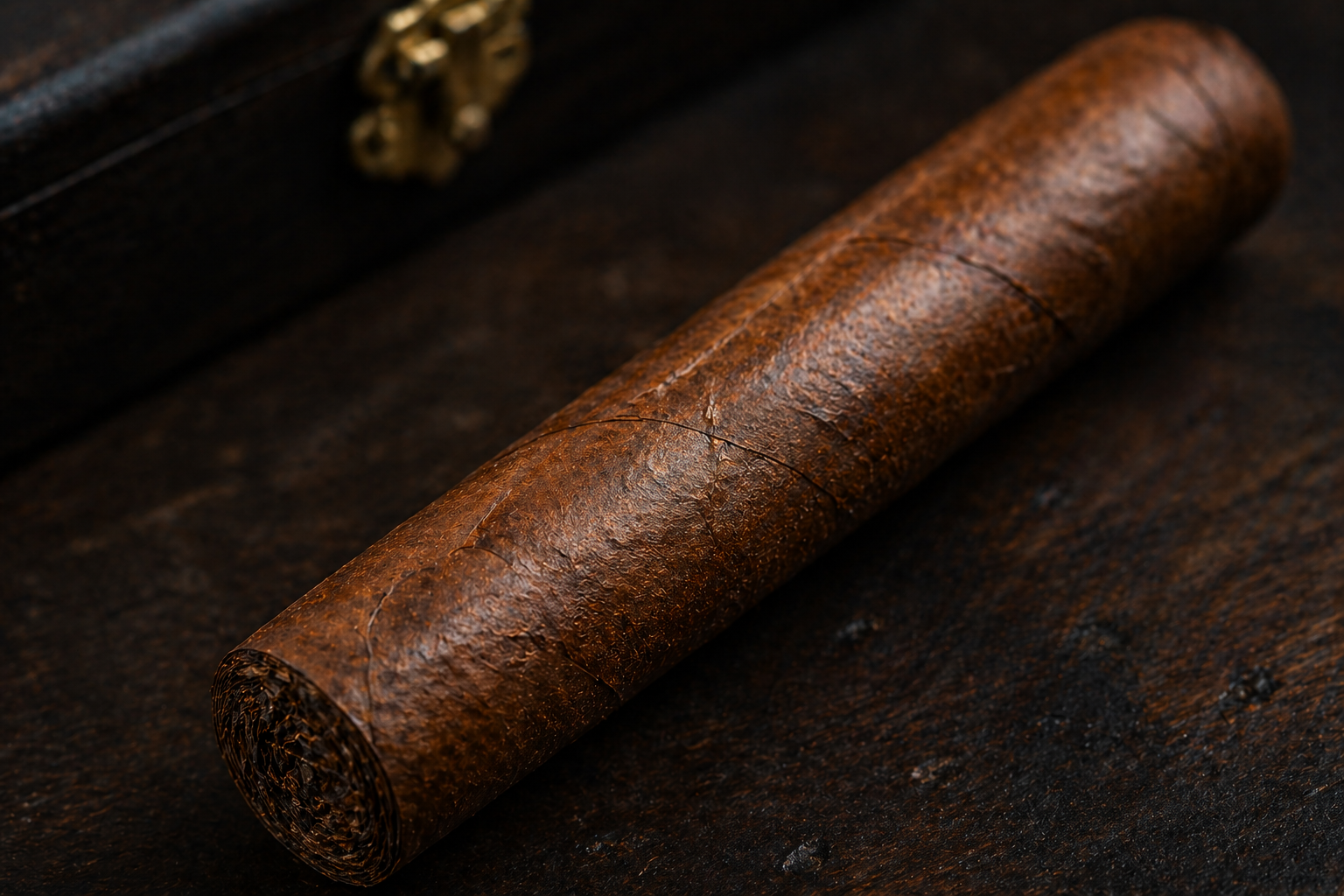
Cigar wrappers influence three main things within a cigar smoking experience:
While it’s not the only factor, the wrapper is one of the easiest ways to understand what a cigar will taste like before lighting it.
Cigar wrappers come in a range of colors, which often hint at flavor:
This short list doesn't encapsulate all the different wrapper colors, but it does cover the majority of cigars available, acting as a generalization.
If you want a deeper breakdown of how color, size, and shape affect your experience, check out our full guide to cigar construction:
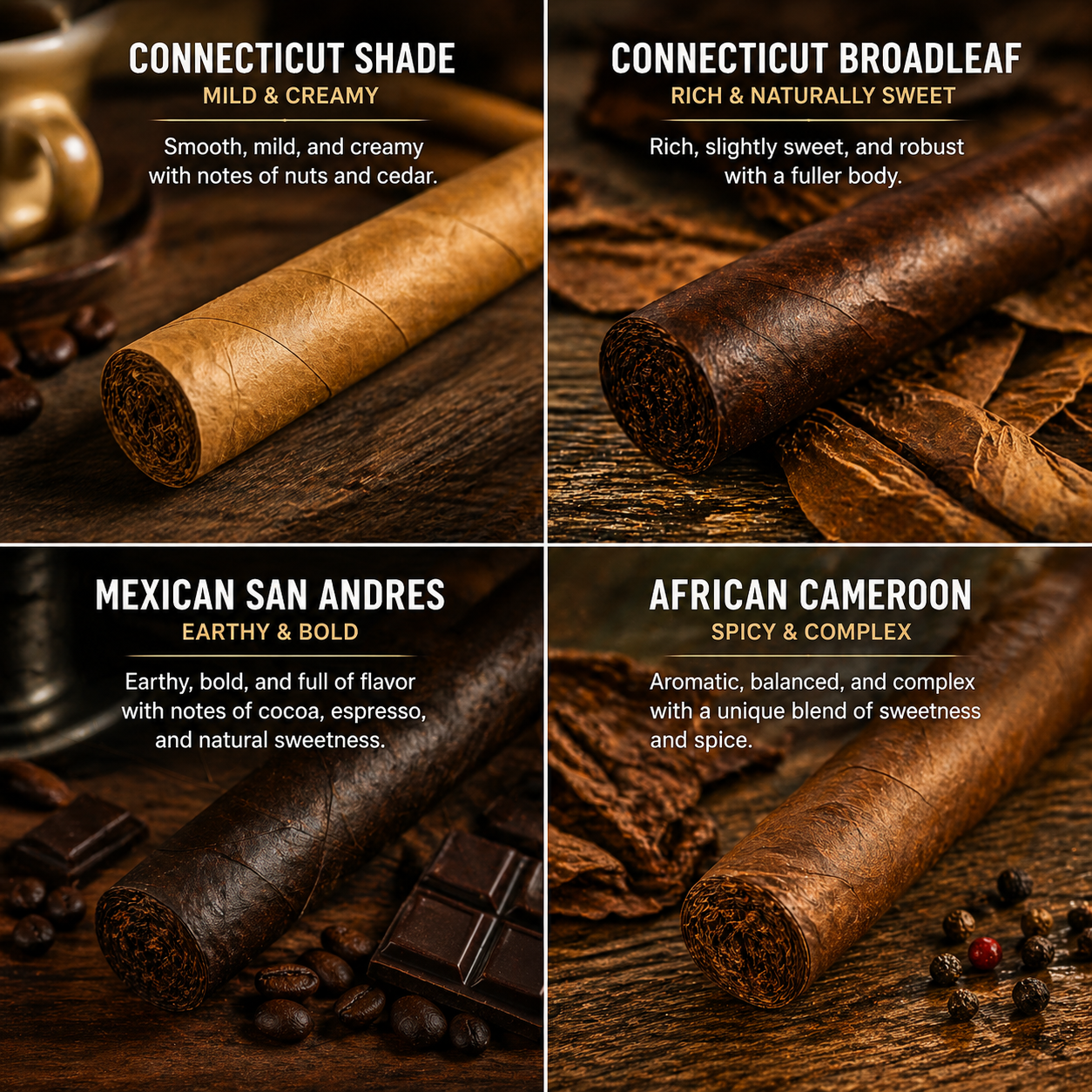
Here are some of the most popular wrapper types you'll come across:
Connecticut Shade wrappers are known for their smooth, mild profile. Often creamy and subtle with notes of nuts or cedar, these cigars are ideal for beginners or anyone who prefers a lighter smoke. They’re especially well-suited for morning enjoyment, pairing well with coffee or relaxed, low-intensity settings.
Explore out top picks: Best Connecticut Shade Cigars
Broadleaf wrappers are thicker, hence the name, and darker, producing a richer and slightly sweet flavor. These cigars are usually more robust and feel fuller when compared to Connecticut Shade. They're great for after dinner enjoyment or a midday smoke break.
Check out our recommendations for Broadleaf Cigars: Best Connecticut Broadleaf Cigars
If darker cigars pique your interest, San Andrés wrappers are worth paying attention to. With deep dark oily leaves, over time, they’ve earned a reputation for being both reliable and full of flavor. San Andrés wrapper cigars typically deliver a bold yet approachable profile, with notes of earth, cocoa, espresso, and sometimes a natural sweetness that rounds everything out.
What makes this wrapper stand out is its balance. It brings richness and depth without becoming harsh, making it a great step up if you’re moving into darker cigars. Compared to milder options, you’ll notice a fuller, more layered smoking experience without losing smoothness.
San Andrés cigars are especially well-suited for nighttime or after-dinner smokes. They’re versatile, dependable, and packed with flavor, while still being smooth enough to stay in regular rotation for more experienced smokers.
Check out our suggestions for San Andres wrapper cigars: Best San Andres Cigars.
Cameroon wrappers are thinner and more delicate, offering a unique balance between sweetness and spice. Often aromatic and hiding a versatile complexity within, these wrappers are found on a wide range of cigars, skewing towards the more luxurious and refined.
With an innate ability to add complexity to a tobacco blend, Cameroon cigars are a favorite of many and at one point, nearly gone extinct.
To find out more about Cameroon cigars and their history: Best African Cameroon Cigars
If you’re not sure where to start, here’s a simple way to think about it:
If you’re completely new to cigars, it’s usually best to start with a lighter wrapper and work your way up as your preferences develop. This gives your palate time to adjust, starting with simpler, milder flavors before branching out into richer, more complex profiles.
That’s exactly how I got into cigars, beginning with sweeter, infused Connecticut shade options like the ACID Blondie Petite Corona, then eventually moving on to bolder picks like the Deadwood Tobacco Sweet Jane Robusto.
One common misconception is that darker cigars are always stronger.
That’s not always the case.
While darker wrappers like maduros or oscuros often deliver richer, sweeter flavors, the actual strength of a cigar depends more on the blend inside. A dark cigar can be smooth and mellow, while a lighter cigar can still deliver noticeable strength and punch.
Even experienced smokers sometimes forget that it’s not just the type or color of the tobacco that determines strength—it’s where the leaves come from on the plant. Higher primings, known as ligero, contain more nicotine and contribute significantly to a cigar’s strength. So when a blend includes ligero, you can typically expect a fuller-bodied smoke with a stronger nicotine presence.
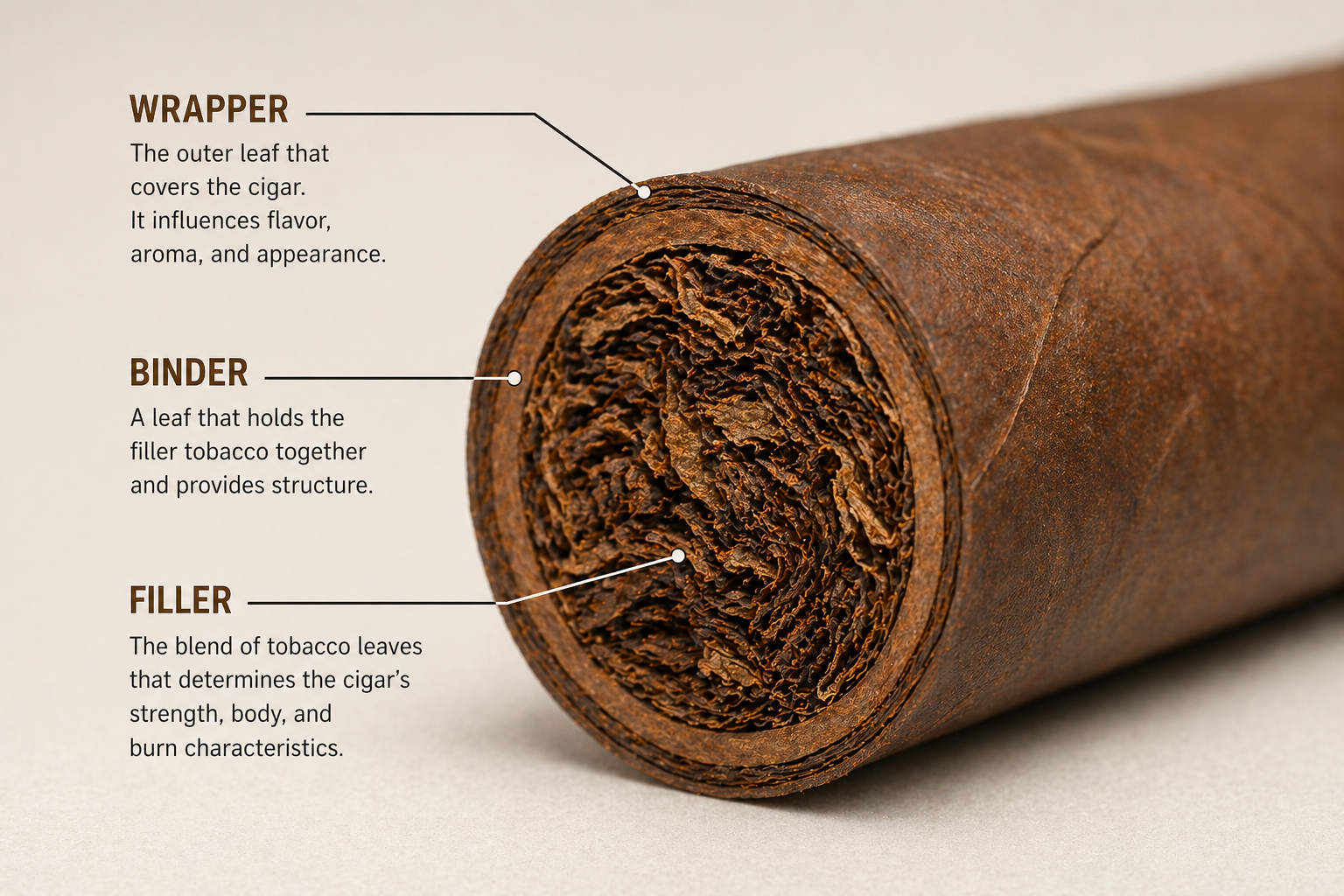
It’s also worth noting that the wrapper makes up only a small portion of the cigar compared to the filler and binder. Most of the cigar’s mass comes from the filler leaves, which play a major role in determining overall strength and nicotine content.
However, the wrapper has an outsized influence on flavor. As the outermost leaf—and the first thing you taste—it plays a major role in shaping the cigar’s overall profile, often contributing a large share of the perceived flavor.
This effect becomes even more noticeable in thinner cigars, where the ratio of wrapper to filler is higher, allowing the wrapper’s characteristics to stand out more.
Check out our guide on Thin vs Thick Cigars: How Ring Gauge Affects Flavor
This is why some Connecticut Shade-wrapped cigars can still deliver surprising strength despite their lighter appearance.
Understanding cigar wrappers is an important part of enjoying cigars. It improves your overall experience and gives you a better sense of what to expect before you even light it. While the tobacco blend plays a major role, the wrapper offers valuable insight into flavor, strength, and character.
Once you understand the differences, choosing a cigar becomes much easier, similar to recognizing the contrast between a bold IPA or stout and a light, refreshing lager.
0 Comment
Brandon is an eclectic creative into modified cars, cigars, and sneakers, with a background in cannabis culture as a strain reviewer. Off the clock, he’s usually at a hole-in-the-wall spot you haven’t discovered yet, ordering more than he should.
Latest