WARNING: This product contains nicotine. Nicotine is an addictive chemical.
WARNING: This product contains nicotine. Nicotine is an addictive chemical.
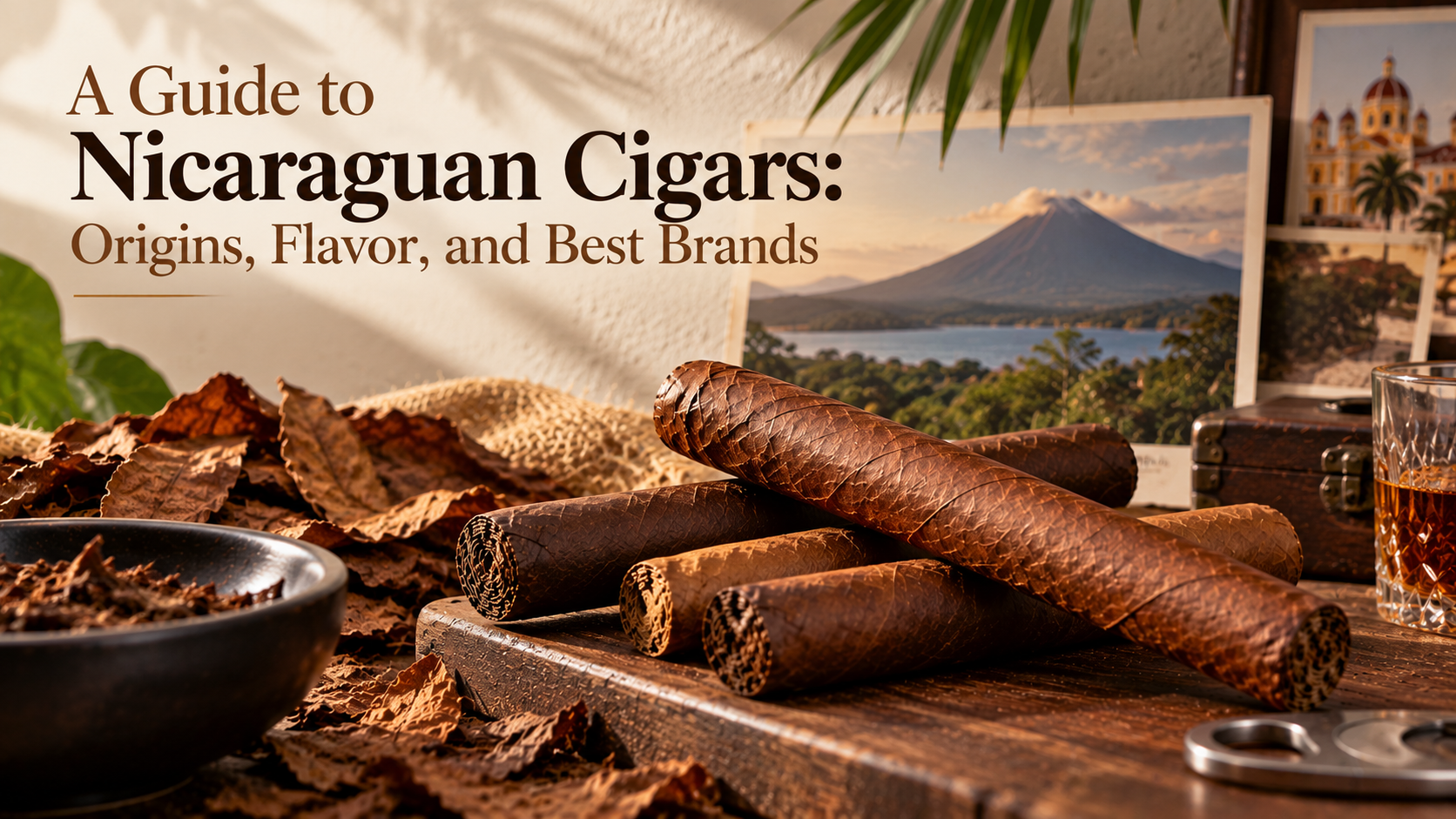
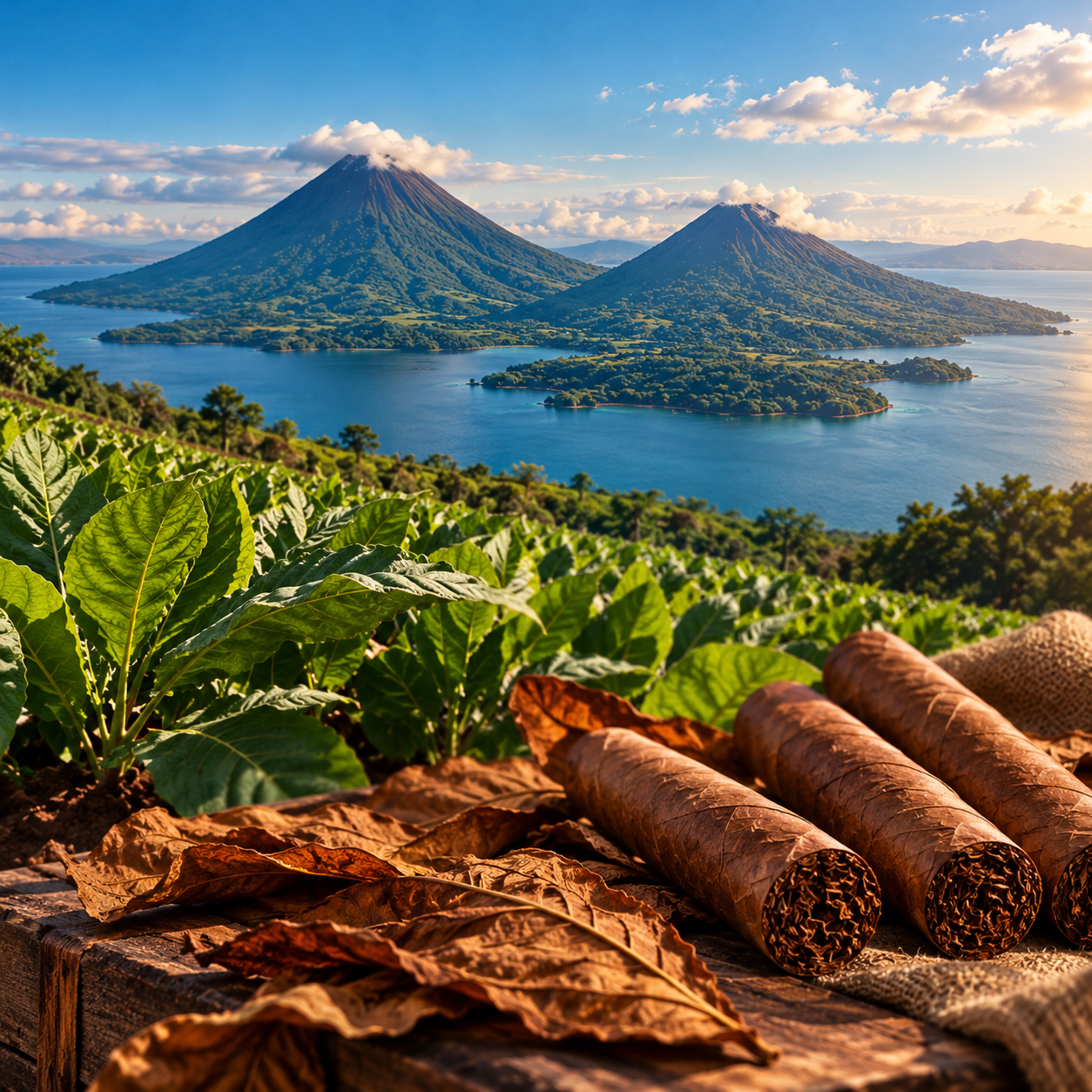
Soil rich with volcanic remnants is the secret recipe for Nicaraguan cigars, and the catalyst for some of the most flavor-concentrated blends on the market today. Unlike Cuban and Dominican cigars, whose origin stories were shaped by centuries of established agricultural tradition and refined over generations, Nicaraguan tobacco is a relative newcomer to the global stage, but one that arrived with fire already in the ground.
That potential drew Cuban growers in the 1960s. After the revolution and the U.S. embargo cut off their supply, exiles went looking for land that could produce tobacco like what they'd left behind. The soil and climate around Estelí and Condega proved well suited to it.
In 1968, two of those Cuban expatriates, Juan Francisco Bermejo and Simón Camacho, opened the Nicaragua Cigar Company in Estelí. Its flagship brand, Joya de Nicaragua ("Jewel of Nicaragua"), is widely regarded as the country's first premium cigar brand, and the factory is still counted among the oldest in Estelí. Other Cuban-rooted families followed, and Estelí grew into the center of Nicaragua's cigar industry.
Three regions form the backbone of Nicaragua's cigar industry: Estelí, Condega, and Jalapa. Each varies widely in soil, climate, and character, and the cigars produced there reflect those differences.
Estelí is the cigar capital of Nicaragua, with volcanic soil packed densely into the ground. Tobacco grown here is typically used in the filler and wrapper of a cigar, with ligero and sun-grown wrappers being a main export. The area produces bold and peppery tobacco leaves that have become a fixture in the cigar world.
The Alec Bradley Black Market Estelí is an Estelí-focused blend with a dark espresso taste rounded out by that signature peppery kick. It's rich, decadent, and medium-bodied. The first third is dominated by leather and earthy flavors, and as the smoke progresses, it shifts into a spicier undertone filled with hickory and white pepper which hits the throat with real intensity.
When it comes to pairing, the options are endless. For a non-alcoholic option, tart cherry juice provides the natural acidity that softens the oily, earthy flavors that come through early on. It's just sweet enough to give the cigar's profile a solid foundation. If you want something with more of a kick, apple brandy is another great choice. Like the cherry juice, it has that acidic burn, but it's evened out by a smooth apple finish that brightens the cigar's dark, brooding complexity.
Condega sits close enough to Estelí that there's not much of a jump in flavor. Instead, you'll find a lot of blends that combine Estelí, Condega, and Jalapa into one. The Oliva Serie O is a good example as it draws on all three regions in its tobacco makeup.
Available in a variety of vitolas, the Oliva O features that signature spice and pepper taste alongside a nutty coffee flavor. The spice and earth notes are prominent right away, while the coffee and sweet flavors hang in the background until they reach a crescendo about 75% of the way through the smoke. It's not quite as dark as the Alec Bradley Black Market Estelí, but it still packs a punch, not to be confused with the more mellow cigars found in the Dominican Republic. A cold brew coffee really wakes up the senses and pushes that underlying dried fruit and caramel undertone into the forefront, making the smoke even spicier and sweeter.
Jalapa stays along the same course as the others, though the landscape is entrenched in a clay-like soil with low nitrogen levels. This affects how certain tobaccos grow; as a result, the leaves become almost elastic and super pliable. That means Jalapa-grown tobacco is typically used as a wrapper, because it holds the other leaves exceptionally well.
The Montecristo Espada Magnum Especial is a prime example of a Jalapa cigar, and that Nicaraguan spice permeates the iconic blend. It produces the kick seen in so many other famous smokes. The cigar itself has an earthy taste that's consistent throughout, with a subtle oaky note that comes through in the second half. For pairings, this is probably the most varied: a zinfandel works well because it's light and fruity, contrasting the otherwise heady smoke. For a non-alcoholic option, a dirty chai brings out those earth flavors beautifully.
Farther south from Jalapa, on the other side of the country, lies Ometepe, an island formed by volcanoes in Lake Nicaragua.
Ometepe is home to a potent strain of tobacco typically used in moderation, mixed with other leaves to form an ultra-potent blend at the crossroads of sweet, savory, and mineral-like flavoring. It's one of the few tobaccos that people either love or hate. Plasencia and A.J. Fernandez are two brands that selectively use Ometepe in their blends. It's a native Nicaraguan tobacco, and somewhat difficult to harvest because it grows in such a remote location.
When cultivated and used in excess, it can produce a metallic taste that turns a lot of people off. But in controlled amounts, it acts as a spice topping on lines like the Plasencia Alma del Fuego Flama, the Montecristo Espada Magnum Especial, and the Macanudo Inspirado Red Toro.
Ometepe may be Nicaragua's most distinctive growing region, but it's only one piece of a much larger story. To understand how Nicaraguan tobacco went from a regional curiosity to a global powerhouse, you have to look at the numbers.
In 1998, Nicaragua shipped just 24 million premium cigars to the United States. That put it third, well behind the Dominican Republic, which led the market at nearly 185 million. It was a humbling spot for a country with the right soil and a Cuban pedigree. A revolution and a U.S. embargo had cut it off from its biggest market for much of the previous two decades. But the cigar boom of the '90s brought a wave of new factories to Estelí, and growth took off.
By 2018, Nicaragua was shipping 172.7 million cigars, which was more than seven times its 1998 total. Nicaragua had even passed the Dominican Republic, which was stuck at about 118 million. Today it's the world's largest producer of handmade cigars. In the first half of 2026 alone, Nicaragua shipped 121.6 million premium cigars to the U.S., accounting for 60.1% of all shipments.
Even the old guard took notice. Davidoff released its first Nicaraguan cigar in 2013, and by 2018, seven of Cigar Aficionado's fifteen Cigar of the Year winners had been made in Nicaragua, more than any other country.
Choosing your first Nicaraguan cigar takes some research, because Nicaraguan cigars tend to have a peppery taste that might be overwhelming on the first go-around. The Perdomo 10th Anniversary Champagne is a good jumping-off point. It's creamy and soft, with a perfect almond taste that gives off a champagne-adjacent flavor. It's one of the few Nicaraguan cigars that is tame and easy to handle, without that spicy punch.
Nicaraguan cigars are prized for their rich flavor, distinctive tobacco character, and exceptional craftsmanship. Nicaragua's volcanic soils, tropical climate, and established cigar-making traditions support the cultivation of premium tobacco. Many Nicaraguan cigars deliver complex notes of earth, black pepper, cocoa, coffee, and natural sweetness. Their broad range of strengths and blends makes them popular among both experienced cigar enthusiasts and smokers exploring premium handmade cigars.
Nicaraguan cigars are often associated with bold, earthy, and spicy flavor profiles, although their exact taste depends on the tobacco blend, wrapper, and growing region. Common tasting notes include black pepper, cedar, espresso, dark chocolate, leather, roasted nuts, and subtle sweetness. Cigars featuring Estelí tobacco may offer pronounced strength and spice, while Jalapa-grown tobacco often contributes smoother, sweeter characteristics. Nicaraguan cigars range from mild-to-medium to full-bodied.
Nicaragua's most recognized premium cigar tobacco regions include Estelí, Jalapa, and Condega. Estelí is known for producing robust, flavorful tobacco with earthy and peppery characteristics. Jalapa is frequently associated with aromatic, naturally sweet tobacco, while Condega often contributes balanced spice and medium-bodied complexity. Ometepe, an island formed by volcanoes in Lake Nicaragua, also produces distinctive tobacco used in select cigar blends. These regional differences help cigar makers develop diverse Nicaraguan flavor profiles.
Some of the most respected names associated with premium Nicaraguan cigars include Padrón, My Father Cigars, Oliva, Joya de Nicaragua, and Drew Estate. Padrón is recognized for its rich, carefully aged blends, while My Father is celebrated for bold, complex cigars. Oliva offers popular lines such as Serie V, and Joya de Nicaragua is one of the country's historic cigar manufacturers. Drew Estate is known for its distinctive blending approach and popular Liga Privada line. The best brand ultimately depends on personal preferences for strength, flavor, and smoking experience.
Neither Nicaraguan nor Cuban cigars are universally better; each offers a distinctive smoking experience. Nicaraguan cigars are frequently known for bold spice, earthy richness, and diverse blends using tobacco from multiple growing regions. Cuban cigars are traditionally associated with characteristic Cuban tobacco flavors, including earth, cedar, cream, and nuanced spice. Nicaragua has become a major producer of highly regarded premium cigars, making its handmade offerings compelling alternatives to Cuban cigars. Choosing between them ultimately comes down to preferred flavor, construction, consistency, and price.
Nicaraguan cigars have carved out a distinct identity in the premium cigar world. The Nicaraguan legacy is one defined by boldness, complexity, and a certain untamed character that sets them apart from their Caribbean neighbors.
The story of Nicaraguan tobacco is one of resilience and reinvention. Born from the displacement of Cuban cigar makers after 1959, the industry took root in the volcanic soils of Estelí and grew into a global powerhouse. That history is reflected in every cigar: a willingness to embrace strength and intensity where others might favor subtlety.
For smokers, Nicaraguan cigars offer something increasingly rare in the modern market: unapologetic character. The pepper, the dark cocoa, the earthy depth, are not flavors that hide behind one another, they each individually demand attention and respect from whoever smokes them.
Whether you're drawn to the powerhouse blends of Joya de Nicaragua, the polarizing intensity of Ometepe leaf, or the regional complexity of an Oliva O, there's a Nicaraguan cigar for nearly every palate. The country's rise to become the largest exporter of premium cigars to the United States is a testament to the quality and sheer flavor that Nicaraguan tobacco delivers.
If you haven't explored Nicaraguan cigars yet, consider this your invitation. Start with something mild, like the Perdomo 10th Anniversary Champagne, then work your way toward the full-bodied puros that made Nicaragua's reputation. You might just find your new favorite. And if you lean toward the smoother, creamier profile of the Dominican Republic, our blog on that is waiting for you too.
0 Comment
Latest
NEWSLETTER
Get special offers and find out what's new in the store. Sign up for the EV newsletter.